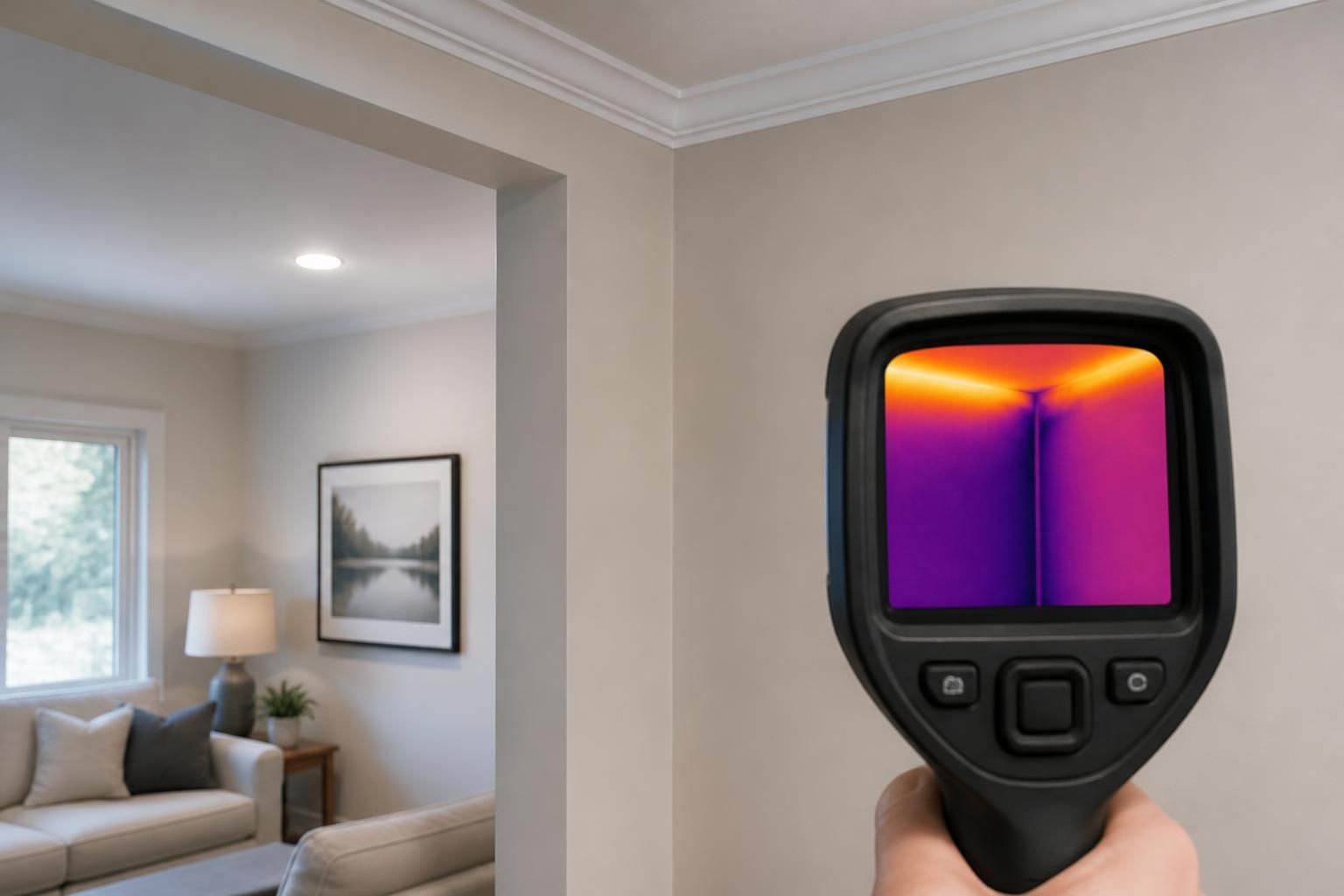
Water stains, musty odors, and unexplained cold or warm spots can leave you guessing about what is happening behind walls or above ceilings. A thermal imaging inspection gives you a clearer view of those temperature differences, helping reveal areas that may deserve a closer look before a small concern grows into a larger repair.
When you are buying, selling, or keeping up with a home, a visual walk-through does not always show the full picture. TopHome Inspection LLC offers thermal imaging for Charlotte, NC homeowners who want more detail about hidden conditions, so we can help you understand what may be going on before you move ahead with your next decision.
How thermal imaging helps
Thermal imaging uses temperature patterns to highlight areas that look different from surrounding materials. It does not replace a full home inspection, but it can add valuable detail when something feels off and the source is not obvious.
In a home, temperature differences may point to moisture intrusion, insulation gaps, electrical concerns, or air movement that deserves review. The value of the scan is not just seeing a color change on a screen. It is knowing what those changes may suggest and where to focus next.
What it can reveal
- Hidden moisture around ceilings, walls, and other finished surfaces
- Temperature differences near electrical components that may need attention
- Areas that suggest missing or disturbed insulation
- Air leakage around gaps, openings, or transitions
- Surface changes that may support follow-up inspection
When to schedule
Thermal imaging is useful when you have a specific concern, but it is also helpful when you want added insight during a real estate transaction or routine home checkup. If you have noticed signs that do not match what you see on the surface, a scan can help narrow down the next step.
Many homeowners ask for thermal imaging when they want a more detailed look at spaces that are harder to assess directly. It can be especially helpful after signs of moisture, before listing a home, or during a buyer inspection when a deeper look can support a more confident decision.
Common reasons homeowners ask
- Visible staining
Water spots or discoloration can point to a past or active concern that needs a closer look.
- Unusual odors
Persistent musty smells may suggest hidden moisture that a scan can help trace.
- Comfort concerns
Rooms that feel uneven in temperature may have insulation or air leakage problems.
- Transaction planning
Buyers and sellers may want added detail before moving ahead with negotiations or repairs.
What we inspect
During a thermal imaging visit, we focus on areas where hidden concerns are more likely to show temperature variation. The scan is most useful when paired with a complete visual inspection, because the image alone does not tell the entire story. We use the scan to guide attention toward areas that may need a closer physical check.
- Interior walls and ceilings
- Electrical panels and visible electrical areas
- Windows, doors, and nearby openings
- Attics and other accessible spaces
- Exterior surfaces where temperature differences stand out
- Areas tied to moisture concern or past repair
TopHome Inspection LLC can also connect the findings with a broader home inspection, including related concerns around roofing, plumbing, HVAC, foundations, and interior spaces when those areas need a fuller review.
What the scan shows
A thermal image shows heat patterns, not a final diagnosis. That is why interpretation matters. A cool patch does not always mean the same thing in every home, and a warm area does not automatically point to one cause. The inspection helps narrow the possibilities so you can make a better informed choice about what to do next.
Possible findings
- Moisture signatures that differ from surrounding dry material
- Heat loss or cool air movement around openings
- Hot spots near electrical components
- Insulation gaps or thin coverage
- Condition patterns that may support a repair estimate
When something unusual appears, we explain what the image may indicate and whether a follow-up inspection or related service should be scheduled.
How visits work
Thermal imaging appointments are straightforward and designed to fit into a broader inspection or stand on their own when needed. We start with a conversation about what you have noticed, then we scan the relevant areas and review the results with you.
Because the value of thermal imaging depends on conditions at the time of the visit, it works best when the home can be assessed without distractions that would hide temperature differences. If needed, we can recommend the right time and setup so the scan is more useful for your situation.
- Share your concern
Tell us about stains, odors, uneven temperatures, or any area that has been on your mind.
- Scan the space
We look for temperature patterns that stand out from surrounding surfaces.
- Review the findings
We explain what stands out and how it relates to the home’s condition.
- Plan the next step
If needed, we can help you decide whether another inspection or related service makes sense.
Charlotte home concerns
Homes across Charlotte, NC can present a wide range of inspection questions, from buyer concerns to post-purchase surprises and seller preparation. Thermal imaging is especially helpful when a homeowner wants more detail without opening up finished surfaces unnecessarily. It adds another layer of information to help clarify what might be happening behind the scenes.
We serve Charlotte along with nearby areas such as Matthews, Mint Hill, Stallings, Pineville, Huntersville, Cornelius, Concord, and Gastonia. If you are comparing options before a purchase or reviewing a home you already own, thermal imaging can help you focus on the areas that matter most.
Related inspections
Thermal imaging often works best as part of a broader inspection plan. If the scan points to something worth checking further, we can help coordinate the next step based on the concern and the property.
- Home Inspections
- Buyer Inspections
- Seller Inspections
- New Construction Inspections
- Pre-Listing Inspections
- Annual Home Checkups
- Mold Inspections
TopHome Inspection LLC also offers related options such as radon testing and other inspection services that may fit the situation if the thermal scan raises a question that needs more attention.
Common questions
What does thermal imaging actually show?
It shows temperature differences across surfaces. Those differences may point to moisture, insulation gaps, air movement, or electrical concerns that deserve a closer look.
Can thermal imaging find hidden water issues?
It can highlight areas that look cooler or behave differently than surrounding dry material, which may indicate moisture. It is useful as a clue, then a physical inspection helps confirm what is happening.
Will thermal imaging tell me exactly what is wrong?
Not by itself. It helps identify unusual patterns and narrow down likely causes, but the image should be interpreted alongside other inspection findings.
Is thermal imaging useful before listing a home?
Yes. Sellers often use it to spot concerns that may not be visible during a quick walk-through, giving them a better idea of what might need attention before showings begin.
Can thermal imaging help during a buyer inspection?
Yes. Buyers use it to look deeper at areas that seem suspicious or uneven, which can add useful detail during a purchase decision.
Do I need thermal imaging for every house?
Not always. It is most helpful when there is a concern that is hard to see, a sign of hidden damage, or a reason to look more closely at a specific area of the home.
Schedule a scan
If something about your home feels off and you want a clearer look, thermal imaging can provide useful insight without guesswork. For Charlotte, NC homeowners, buyers, and sellers, TopHome Inspection LLC can help identify temperature patterns that may point to a concern worth reviewing.
Call +19802568689 or email tophomeinspection911@gmail.com to schedule a thermal imaging appointment and learn what your home may be trying to show you.