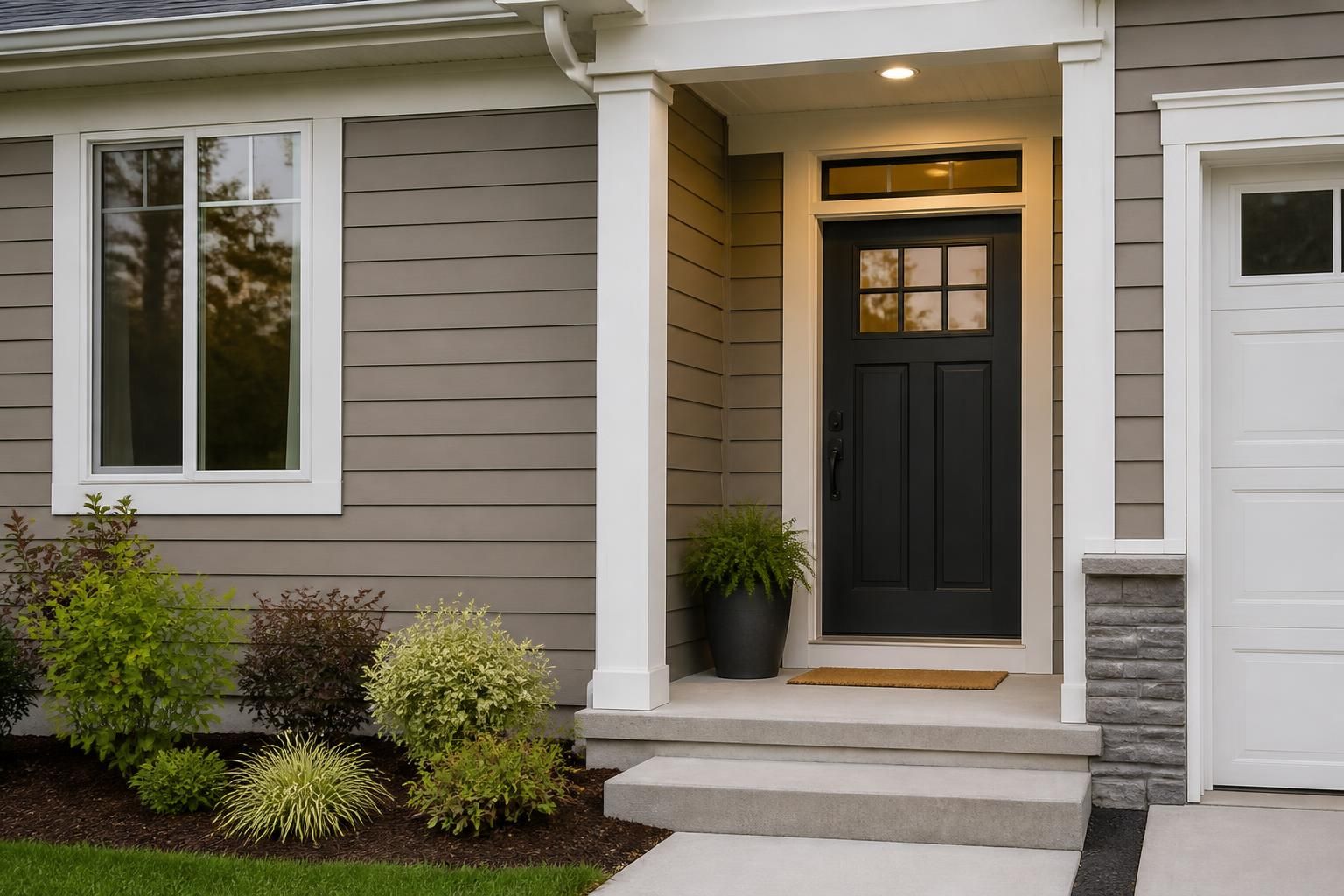
If you are getting ready to list your home, hidden defects can slow negotiations fast. A seller inspection helps you understand what buyers may notice, question, or ask to have repaired before closing.
TopHome Inspection LLC helps homeowners prepare for that moment with a clear evaluation of key systems and visible components, so you can move forward with more clarity and fewer last-minute setbacks in Charlotte, NC.
Before the listing
A seller inspection is useful before a buyer walks through the door. It gives you a chance to see the home through a buyer’s eyes and notice items that may affect confidence during the sale. Small concerns can become bigger talking points once they appear on a buyer inspection report, so it helps to identify them early.
For many homeowners, the main challenge is not the presence of defects, but the uncertainty around them. Is that stain old or active? Is the roof wear cosmetic or a concern buyers will press on? Are the outlets, fixtures, or appliances telling a bigger story? We help you sort through those questions with a clear, orderly inspection process.
What sellers often learn
- Which visible repairs may attract buyer questions
- Which systems deserve attention before showings begin
- Which items can be disclosed with confidence rather than guessed at
- Which concerns may affect negotiation once an offer is on the table
What we inspect
Seller inspections focus on the home’s major components and the conditions buyers are likely to ask about. We review a wide range of visible systems and surfaces so you have a practical picture of the property’s condition before listing.
Areas commonly reviewed
- Electrical systems
- Plumbing fixtures and visible supply and drain conditions
- HVAC components and accessible performance concerns
- Roofing and exterior surfaces
- Interior rooms, ceilings, walls, and flooring
- Foundations and visible structural concerns
- Kitchens and bathrooms
- Windows, doors, and general exterior conditions
Depending on the property, we can also note signs that may lead to related inspections such as mold screening, radon testing, termite concerns, or other specialized evaluations when needed. The goal is to help you see the home as a buyer will see it, with attention on the items most likely to affect the sale.
How visits work
TopHome Inspection LLC keeps the process straightforward. After scheduling, the inspection is completed at the property and includes a review of visible systems and accessible areas. You do not need to prepare a long checklist or guess what matters most. We focus on the conditions that are most relevant to a seller preparing for market.
After the inspection, you receive a report with digital photographs and clear observations. That makes it easier to decide what to fix, what to monitor, and what to disclose. Sellers often use the report as a planning tool before photographs, showings, or contract negotiations begin.
- Schedule the visit: Book by phone or through the website before your listing goes live.
- Walk through the home: We inspect visible areas and note signs that may matter to buyers.
- Review the findings: You get a report that organizes concerns clearly and supports next steps.
- Plan your response: Use the report to decide on repairs, disclosures, or follow-up evaluations.
Why sellers use it
A seller inspection is not about creating alarm. It is about removing uncertainty. When you know what a buyer may discover, you can handle it on your terms rather than under pressure during negotiations.
Some sellers want to complete repairs before the listing goes live. Others prefer to price the home with a better understanding of condition. Some simply want to avoid surprises after a contract is signed. Whatever your plan, a pre-listing inspection can make the process easier to manage.
Common seller goals
- Reduce the chance of unexpected repair requests
- Prepare more accurate disclosures
- Support smoother negotiations
- Decide which concerns deserve fast attention
Issues buyers notice
Buyers tend to focus on visible signs that suggest deeper problems, even when the issue is still limited. A seller inspection helps you spot those signals early so you can respond before they become points of concern during the transaction.
Examples may include discoloration, wear at roofing materials, aging electrical components, evidence of prior leaks, or general deterioration around exterior areas. Even minor items can affect a buyer’s confidence if they are not addressed or explained. The value of the inspection lies in turning vague concern into a specific, understandable list.
Typical concerns to review
- Stains, marks, or moisture signs on interior surfaces
- Loose or damaged fixtures and finishes
- Visible wear around roofing, flashing, or exterior trim
- Electrical outlets, switches, and panels that deserve closer attention
- Plumbing concerns around sinks, tubs, toilets, or visible piping
Repair priorities
Not every finding needs the same response. Some items may be simple fixes before listing, while others may be better disclosed or reviewed further by the right specialist. The report helps separate cosmetic concerns from items that may carry more weight with buyers.
If a repair estimate would help you plan the next step, that can also be part of the process. For concerns that extend beyond the main home inspection, we can help you schedule related services such as radon, septic, termite, framing, well, or water inspections when appropriate.
- Safety-related concerns: Items that create obvious risk or may draw immediate buyer attention.
- Negotiation points: Defects that may not stop a sale, but may shape the buyer’s request.
- Disclosure items: Conditions worth documenting clearly so there is no confusion later.
- Monitor-and-track items: Small concerns that should be watched, not ignored.
Charlotte service area
Seller inspections are available for homeowners across Charlotte, NC and nearby communities such as Matthews, Mint Hill, Stallings, Pineville, Huntersville, Cornelius, Concord, and Gastonia. If your home is being prepared for sale anywhere across the local area, a pre-listing evaluation can help you enter the market with more confidence.
TopHome Inspection LLC works with buyers, sellers, and homeowners who want a clear picture of a property before the next step. For sellers, that often means fewer surprises and a better understanding of what a buyer may raise during the process. Our inspections are arranged through the website or by phone, and reports are delivered with photographs for easier review.
Common questions
How early should I schedule a seller inspection?
It is smart to schedule before your listing goes live, while you still have time to review findings and decide what to do next. That timing gives you more control over repairs, disclosures, and listing preparation.
Can a seller inspection help with pricing?
Yes. While it does not set the market value, it can help you understand condition issues that may influence how buyers view the home and how you want to position the property.
Will the report help me talk with buyers?
It can. A clear report makes it easier to explain known conditions, show what has been reviewed, and respond to questions with less uncertainty.
Do I need to be present during the inspection?
Many sellers choose not to stay for the full visit, but you are welcome to attend if you want to hear observations first-hand. The main goal is to keep the process efficient and useful for you.
What if the inspection finds several concerns?
That is still useful information. You can sort the findings into repairs, disclosures, and items that may need another specialist, rather than learning about them during buyer negotiations.
Can this help me prepare for a buyer inspection?
Yes. A seller inspection is designed to help you understand likely buyer concerns before they become objections. That often makes the next inspection stage easier to manage.
Schedule your visit
If you are preparing to sell a home in Charlotte, NC, a seller inspection can give you a clearer path forward. Contact TopHome Inspection LLC to book your inspection by phone or through the website, then move into the listing process with a better understanding of the property’s condition.
When you know what buyers are likely to notice, you can plan repairs, disclosures, and next steps with less stress and more control.